In laboratories and medical facilities, pipetting workstations are common devices used to accurately dispense and measure liquids. However, the question of whether a pipetting workstation is a medical device requires detailed analysis based on its purpose and regulatory classification. This article will explore the nature, classification criteria, regulatory requirements, and applications of pipetting workstations in the medical field.
1. Introduction to the properties of pipetting workstations
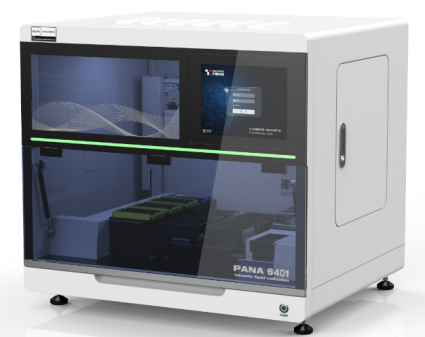
Function description: The pipetting workstation is an automated device used to accurately pipe and distribute liquids in the laboratory.
Application scope: It is widely used in biomedical research, chemical analysis, drug development and other fields.
2. Analysis of classification standards
Regulatory classification: Depending on national and regional medical device regulatory regulations, the pipetting workstation may be classified as a medical device.
Purpose Determination: If a pipetting workstation is used for the handling of fluids during medical diagnosis or treatment, it is generally considered a medical device.
3. Overview of regulatory requirements
Compliance: As a medical device, pipetting workstations need to meet specific quality and safety standards.
Certification requirements: Manufacturers may need to obtain appropriate medical device certification, such as FDA approval in the United States or CE marking in the European Union.
4. Discussion on applications in the medical field
Clinical Laboratory: In clinical laboratories, pipetting workstations are used to automate sample processing and analysis.
Drug development: During the drug development process, pipetting workstations help accurately measure and dispense experimental reagents.
5. Risk management measures
Operator training: To ensure proper use of equipment, operators need to receive appropriate training.
Maintenance: Regular maintenance and upkeep helps maintain the accuracy and reliability of your equipment.
6. Market access and supervision
Market access: As a medical device, pipetting workstations need to be reviewed and approved by regulatory agencies before they can enter the market.
Regulatory changes: Changes in regulatory policy may affect the classification of pipetting workstations and market access requirements.
7. Technological innovation and regulatory follow-up
Technological progress: With the development of technology, the functions and application range of pipetting workstations continue to expand.
Regulatory updates: Regulators need to constantly update regulations to adapt to the development of medical device technology and market needs.
Whether a pipetting workstation is a medical device depends on its use and regulatory classification. In the medical field, if it is used for diagnostic or treatment-related fluid handling, it is generally considered a medical device and needs to meet appropriate regulatory requirements. Manufacturers and users should pay attention to changes in regulatory policies to ensure device compliance. As technology continues to innovate, the application scope and market access requirements of pipetting workstations are also constantly evolving. Proper understanding and compliance with relevant regulations will help ensure the safe and effective use of pipetting workstations in the medical field.

 Partners · 2026Year7Moon1Day