
-
 article · 2026Year8Moon8Day
选择 Opentrons Flex 的 7 大理由
Read More -
article · 2026Year4Moon8Day
Opentrons Flex 实用操作技巧:新手必读
Read More -
article · 2026Year43Moon7Day
高通量 NGS 建库流程中的关键步骤与 Opentrons Flex 支持
Read More

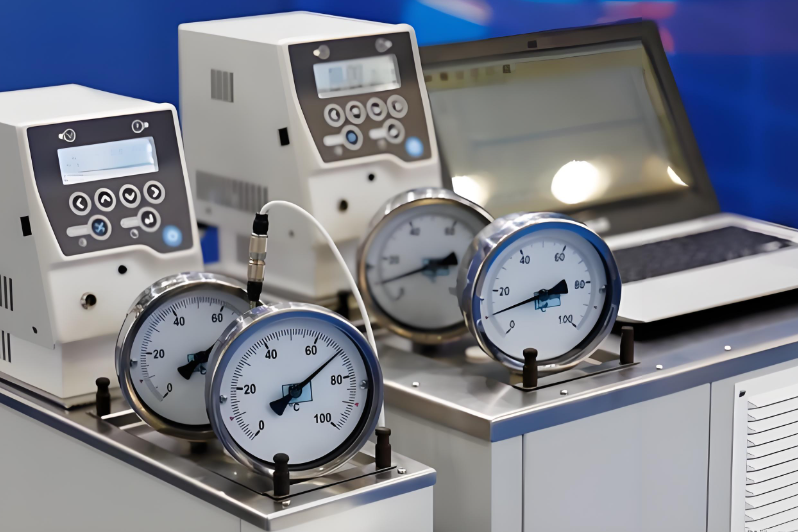
A thermal cycler is an instrument that can accurately maintain and regulate temperature after pre-programmed settings to achieve temperature-sensitive reactions such as PCR. By accurately controlling temperature changes, we can simulate various thermal stress environments that products may encounter during actual use or storage, thereby evaluating their durability, reliability and thermal stability. These instruments are available in a variety of sizes and sample capacities to suit laboratories of varying sizes and needs.
1. Basic functions and features
1. Temperature control: The thermal cycler can perform rapid and stable temperature changes within a set temperature range through a precise temperature control system to meet the needs of different experiments.
2. Programming flexibility: Users can pre-program the thermal cycler according to experimental requirements, including parameters such as temperature, time, number of cycles, etc., to achieve automated operation.
3. Diversified applications: Thermal cyclers are widely used in molecular biology, genetics, medical diagnosis and other fields, especially playing an important role in temperature-sensitive reactions such as PCR (polymerase chain reaction).
2. Technical characteristics and advantages
1. High-precision temperature control: Using advanced temperature control technology, such as VeriFlex™ module technology, it can achieve precise temperature control in reactions such as PCR, and improve the accuracy and reliability of experimental results.
2. Large-screen color touch screen: Some thermal cyclers are equipped with large-size, responsive color touch screens, which simplify instrument operation and improve work efficiency through an easy-to-read interface.
3. Remote monitoring and control: Some high-end thermal cyclers support WiFi functions. Users can remotely monitor and control the instrument through mobile devices or desktop computers to achieve remote management and data sharing of experiments.
3. Use and maintenance
1. Precautions for use: When using the thermal cycler, ensure that the instrument is placed in a stable and well-ventilated environment, avoiding direct sunlight and moisture. At the same time, the operation should be carried out in accordance with the requirements of the instrument manual to avoid misoperation that may cause damage to the instrument or inaccurate experimental results.
2. Maintenance: Regular maintenance of the thermal cycler is the key to ensuring its long-term stable operation. This includes cleaning instrument surfaces, checking temperature control systems, replacing aging parts, etc. In addition, instruments should be regularly calibrated and verified to ensure the accuracy and reliability of experimental results.
The thermal cycler is a powerful and widely used experimental instrument that plays an important role in molecular biology, genetics, medical diagnosis and other fields. Through precise temperature control and diverse application functions, the thermal cycler provides scientific researchers with an efficient and accurate experimental tool.
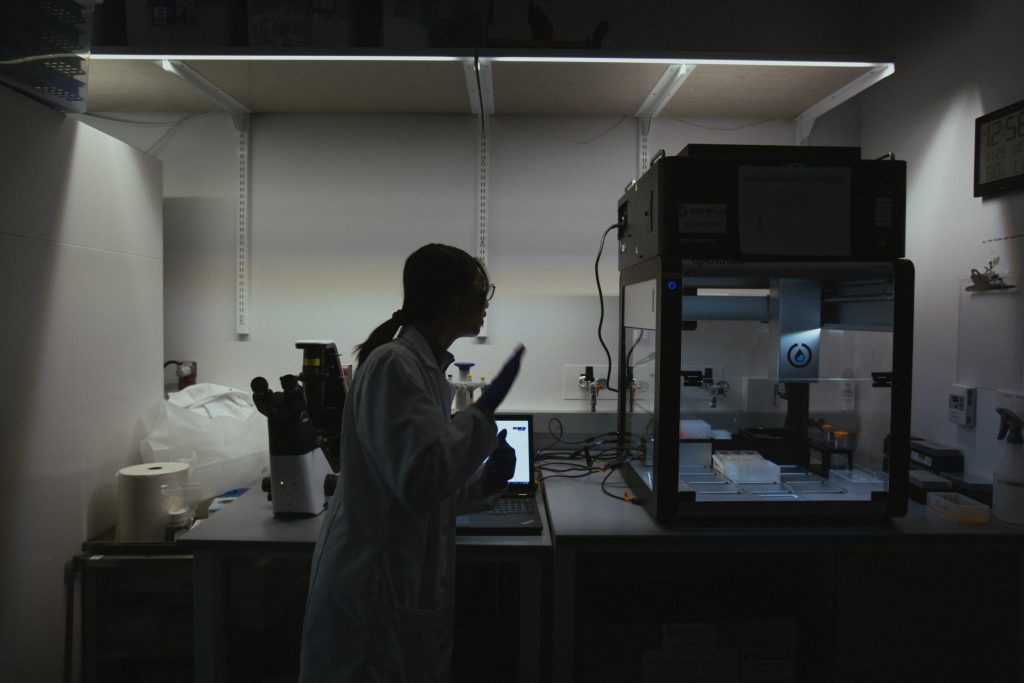
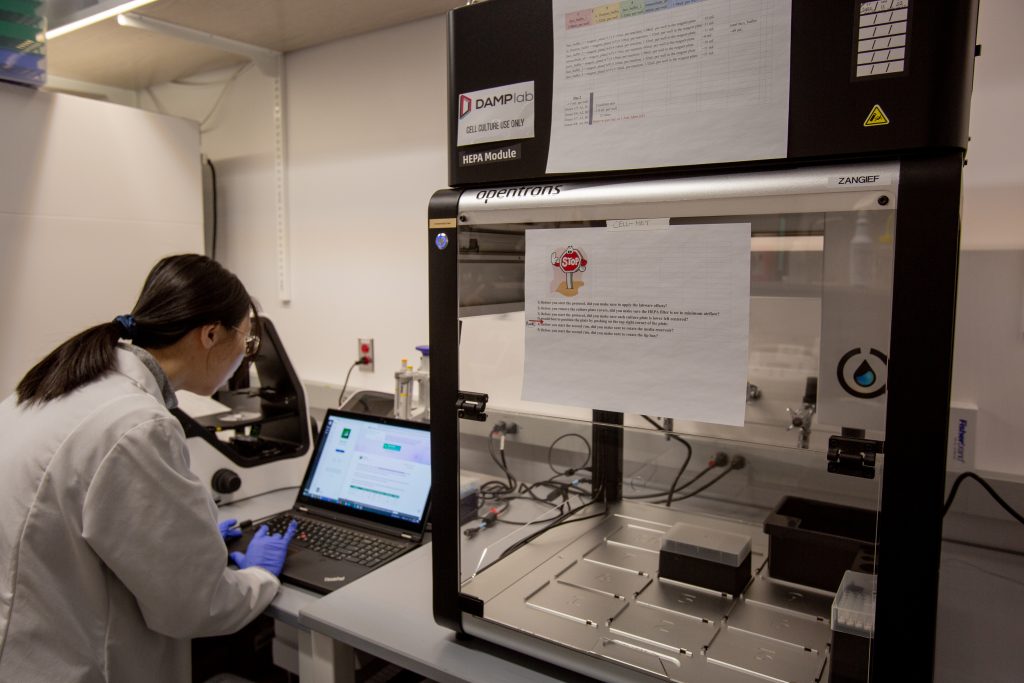
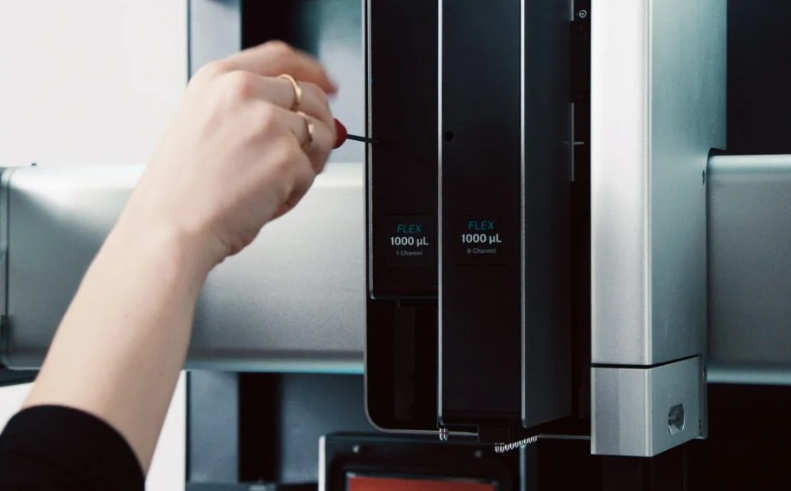
The experienced service team and strong production support team provide customers with worry-free order services.

简体中文

繁體中文

English
日本語
한국인
